
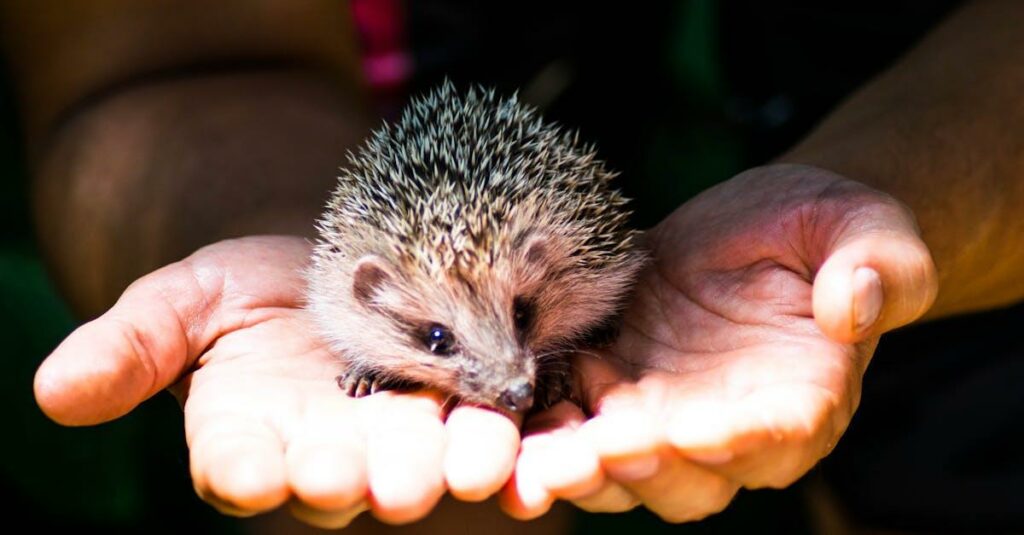
Welcome to the wonderful world of small pet care. Whether you’re a proud owner of a furry bunny, a chirpy parakeet, or a scaly lizard, ensuring these little furballs (or scaly buddies) thrive is our top priority. We all love our pets, but navigating their needs can feel like solving a Rubik’s cube, complex and colorful, yet totally rewarding. So, let’s buckle up for this joyride and explore essential tips for keeping our small companions happy and healthy. Spoiler alert: lots of cuddles are involved.
Understanding Your Small Pet’s Needs
Every small pet has unique requirements that must be met for them to feel safe and secure. Their happiness often hinges on understanding their species-specific needs. For instance, while rabbits thrive in a home full of burrowing opportunities, hamsters yearn for tunnels and mazes to explore. Start by doing a bit of research on your pet’s natural habitat. Understanding their behavioral patterns will not only help us meet their needs but will also create a better bond with them. Think of it this way: we can’t expect a fish to climb a tree. Understanding their needs lays the foundation for a fulfilling relationship.
Choosing the Right Habitat
Creating the perfect habitat is like staging a stage for a Broadway show, we want our small pets to shine. First and foremost, size matters. Ensure their home is spacious enough for them to move around freely. A tiny cage may lead to a grumpy pet, and we certainly don’t need more drama. Depending on the type of pet, you might need a multi-level cage for climbing or a secure swim area for aquatic friends. Next, consider bedding materials. Not all bedding is created equal, and choosing something safe and comfortable is crucial. And remember, ventilation is vital too: nobody likes stale air, right? Let’s create a luxurious oasis where our small pets can truly be themselves.
Diet and Nutrition for Small Pets
Feeding our little companions is like preparing a gourmet meal: we want their food to be not just nutritious but also exciting. Each small pet has a specific dietary requirement. For example, rabbits nibble on hay like it’s the last meal on Earth, while guinea pigs need vitamin C-rich veggies to stay healthy. We must ensure their diet is balanced with a mix of high-quality commercial pellets and fresh produce. And let’s not forget hydration, always provide fresh water. If we’ve learned anything from cooking shows, variety is the spice of life. So, feel free to experiment with different treats, but do introduce them gradually to avoid any tummy troubles.
Regular Health Care and Grooming
Just like us, our small pets need regular check-ups and grooming to feel their best. Schedule routine vet visits to catch any health issues before they snowball into something serious. Keep an eye on their body condition and overall behavior. If something seems off, don’t hesitate to consult a professional. Grooming, too, plays an essential role in their all-around well-being. Brushing our pets not only keeps their coats looking fabulous but also strengthens our bond. Let’s embrace the mindset that a little bit of pampering goes a long way.
Socialization and Exercise Requirements
Just as we need friends, our small pets need social interaction to thrive. Some pets, like rabbits, enjoy the company of their humans and even other animals. Regular playtime is crucial, this can include gentle handling, supervised playdates, or even just a fun session of hide-and-seek with toys. Exercise is equally essential. Dedicating time to let our pets explore their habitat, interact, and play is vital. It’s exercise for them, and let’s be honest, it’s a little cardio for us too, right? So, let’s make playtime a priority and build connections that last.
Creating a Safe Environment
Safety is paramount when it comes to caring for our small pets. Begin by eliminating hazards in their environment. Electric cords? Out. Small items they could swallow? Gone. Be mindful of where we place their habitat to ensure they receive adequate sunlight without being exposed to drafts. Also, we should create a nurturing space that encourages exploration while keeping the risks to a minimum. By adopting a proactive approach to safety, we create a haven where our pets can thrive comfortably.